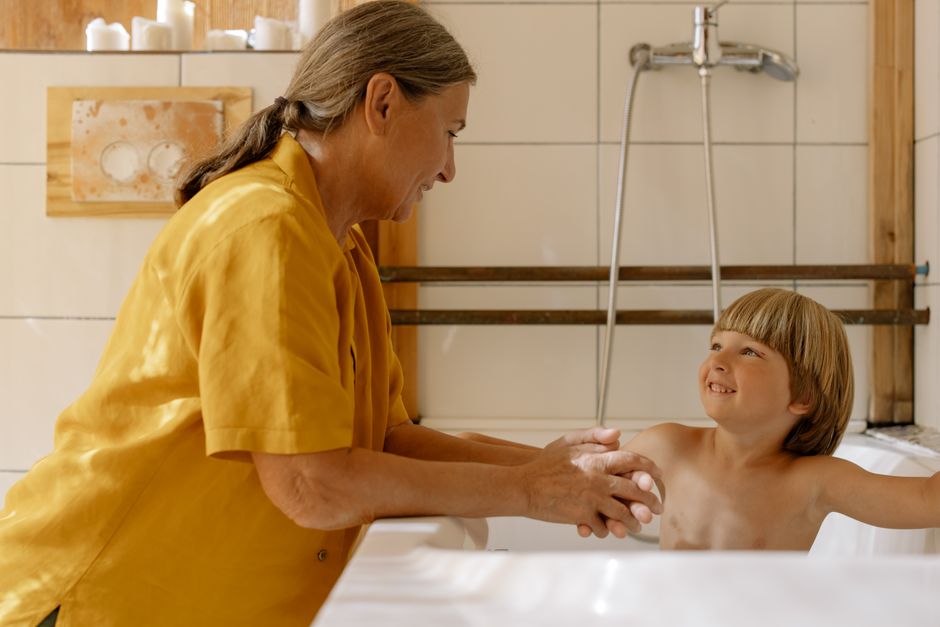
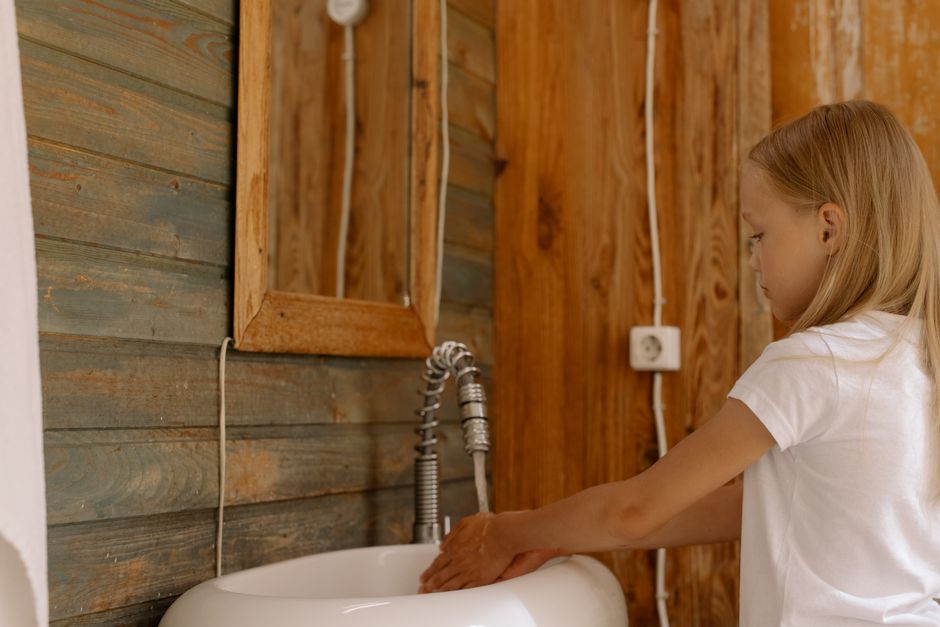
The bathroom mirror still has a smudge of toothpaste on it from Tuesday, the same morning your eight-year-old insisted, hand on heart, that he'd already washed his face. He hadn't. You know this because the washcloth was bone dry and folded exactly where you'd left it the night before. This is the small, repeated negotiation that happens in half the bathrooms in the country every single morning, and it's exactly why so many parents start looking for a hygiene routine app for kids instead of another laminated chart that gets ignored by week two. The appeal isn't the gadget. It's the idea that a kid might actually wash their hands, brush for the full two minutes, and shower without being asked three times, because the reminder is coming from somewhere other than your mouth.
Hygiene is a strange category of chore. Nobody argues that a nine-year-old shouldn't learn to make a bed or feed a pet, but hygiene tasks are invisible the second they're done. You can't see clean hands. You can't prove a kid actually scrubbed behind their ears unless you check, and checking every day for years is exhausting in a way that folding laundry isn't. Add in that children ages 8 to 12 are already averaging over five and a half hours of entertainment screen time a day, and you've got a genuine competition for attention happening in a two-minute window at the sink every morning and every night.
Why "did you wash your hands" stops meaning anything by age seven
Somewhere around first or second grade, a question like "did you brush your teeth" turns into background noise. Kids learn the script. They say yes because yes ends the conversation faster than actually walking to the bathroom. This isn't defiance, and it isn't laziness either, it's just that a verbal reminder has no weight behind it. There's no record of it, no consequence either way, and the parent asking the question usually sounds tired rather than serious, which kids pick up on instantly. One mother of a seven-year-old described it well: she'd ask, get a confident "yep," and then find the toothbrush completely dry an hour later. Not because her son was lying exactly, more because the question had become a reflex he answered without thinking.
What actually interrupts that pattern is a task the child can see and check off themselves, something with a small, immediate payoff attached. That's the whole logic behind a hygiene routine app for kids: it moves the reminder off your voice and onto a screen the child checks on their own, with a star or a streak waiting for them when the job is actually done, not just claimed. It doesn't replace your judgment entirely, and it shouldn't, but it does mean the first ask isn't coming from you anymore.
Veja o Sparky em ação
Um mascote, estrelas e recompensas escolhidas em conjunto - numa única app familiar.
What belongs in a daily hygiene routine, broken out by age
A five-year-old and an eleven-year-old need almost entirely different lists, and trying to run both off the same chart is usually where things fall apart. The younger end of this range needs tasks that are physical and immediate, things they can still mostly manage with a bit of supervision. The older end needs tasks that build toward independence without a parent standing in the doorway.
- For four to six year olds, the list should stay short and concrete: washing hands before meals, brushing teeth morning and night with help checking the back teeth, and washing hands after using the bathroom, nothing more layered than that at this age.
- For seven to nine year olds, you can add showering or bathing without being told twice, brushing hair before leaving the house, and trimming or at least checking nails once a week, since this is the age where kids can genuinely manage the steps if someone breaks the sequence down for them once.
- For ten to twelve year olds, the list starts to include things tied to changing bodies: deodorant becomes relevant for a lot of kids in this range, along with full independent showers, washing their own hair properly, and keeping their own toothbrush and supplies stocked instead of discovering an empty tube at bedtime.
The mistake most routines make is putting all of this on one list and expecting a six-year-old to care about the same things as a preteen. Age-appropriate chores work because the child can actually picture themselves doing the task start to finish. If they can't, the item just sits there unchecked, slowly turning the whole list into something that feels like it belongs to nobody.
Turning two minutes at the sink into something a kid wants to finish
Here's where a lot of hygiene routines quietly fail even with the best intentions: the reward structure doesn't match the task. A sticker for brushing teeth is fine for about two weeks, and then it isn't, because stickers don't mean anything once the novelty wears off. Parents who've tried a handful of these systems tend to land on the same conclusion, that virtual coins nobody cares about don't move a nine-year-old, but a real reward the child actually picked out does. Ice cream on Friday if the week went well. A small toy they chose themselves, not one you picked for them. The difference between a kid shrugging at a badge and a kid actually caring is almost always that the reward was theirs to choose, not yours to assign.
This is also where a short, honest timer helps more than people expect. A six-year-old's idea of "two minutes" and an adult's idea of "two minutes" are not the same length of time, and standing over a kid with a stopwatch turns brushing into a performance rather than a habit. A visual countdown built into a hygiene routine app for kids does the same job without the tension, it's not your voice counting down, it's just a timer doing its job quietly in the background while the child brushes. We built Sparky around that exact idea, letting the child see their own tasks and timers instead of waiting for a parent to notice the clock.
Streaks matter here too, but gently. A streak that breaks the one night a kid is sick or exhausted from a late soccer game shouldn't erase three weeks of real effort. Grace days, where a missed night doesn't wipe the slate, keep the whole thing feeling like a routine instead of a test the child can fail. That distinction sounds small, but it's the difference between a kid who gives up after one bad night and one who just picks the routine back up the next morning without any drama about it.
Setting the routine up so it survives past the first week
The setup itself doesn't need to be complicated, and honestly, the more complicated it gets, the more likely it is to get abandoned by the second week. Start with three or four tasks, not ten. Pick the ones that are actually causing friction in your house right now, whether that's hair brushing before school or hands washed before dinner, rather than trying to cover every possible hygiene habit on day one. Walk through the steps with your child once, out loud, so they know exactly what "done" looks like rather than guessing at it. Agree on the reward together before you start, not after a week of complaints, since a reward picked in the moment tends to feel more like a bribe than a reward chosen as part of the plan.
Then step back, further than feels comfortable at first. The whole point is that the child checks their own list, sees their own progress, and feels like the routine belongs to them rather than to you. If you're still asking "did you do it" every single day, the tool hasn't actually changed anything, it's just moved the nagging onto a different surface. Give it a week before judging whether it's working, because the first few days are still your child testing whether this is actually different from the sticker chart that got ignored last spring.
One thing worth saying plainly: this isn't going to turn hygiene into something your child loves. Nobody loves brushing their teeth. The goal is smaller and more realistic than that, it's just getting the task done without a fight, without three reminders, and without you standing in the bathroom doorway every single night feeling like the family's designated enforcer.
Where to start tonight, not next month
Pick one task that's been the biggest source of friction this week, probably teeth or hands, and set it up on its own before adding anything else. Let your child pick the reward, even if it feels small to you, since the smallness doesn't matter as much as the fact that they chose it. Give it real time, not three days, before deciding whether it's sticking. And if it slips for a night or two, let it slip without turning it into a conversation about failure, because a hygiene routine that survives the occasional bad night is worth more than a perfect streak that collapses the first time life gets messy.
Baixe Sparky grátis
Acesso antecipado, sem anúncios e sem compras dentro da app - só você e a criança.