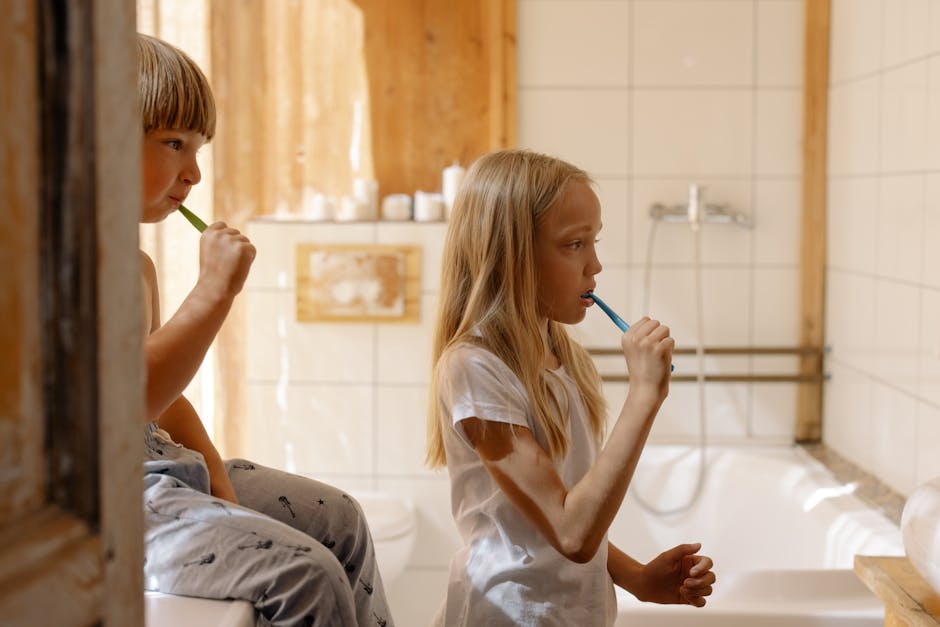
Nine o'clock and one shoe still has no sock in it, the toothbrush in the cup is bone dry, and the eight-year-old insists she already washed her face, even though the towel on the hook is spotless. You've asked three times. She's heard you too, technically, because she glances up each time and nods, then goes right back to lining up her markers by color. This isn't defiance, not really. It's that the string of small things a kid needs to do for their own body each day hasn't landed anywhere solid in her head yet. That's the gap a kids self care checklist is meant to close, and it's a narrower job than people assume. It's not another list of chores for the house. It's a short, visible rundown of the things a child does for themselves, brushing teeth, washing hands, picking clothes that match the weather, winding down before bed, laid out somewhere they can see it and run without a parent standing over their shoulder repeating the same line for the third night running. Self-care sounds like a grown-up spa word, but for a seven-year-old it just means the basics: hygiene, sleep, a bit of food sense, and a minute to notice how the day felt before it swallows them whole. Parents already juggling backpacks, permission slips, and dinner don't need one more thing to remember. They need the kid to remember it instead, and that only happens when the list is short enough, visible enough, and theirs enough to survive past the first week.
What belongs on a self-care list and what doesn't
There's a mix-up that happens in a lot of households, and it's worth naming because it quietly sabotages the whole project before it starts. A chore is something a child does for the family: feeding the dog, setting the table, taking the recycling down. Self-care is something a child does for their own body and mind: brushing teeth, washing their face, choosing clothes that fit the weather, drinking water instead of running on juice all afternoon, calming down before bed instead of melting down at it. Both matter. Both build independence. But they use different muscles, and a checklist that mashes them together usually ends up too long for anyone to finish, let alone remember.
The timing problem makes this harder than it looks. Kids ages 8 to 10 are already averaging around six hours of screen time a day, and by age 12 roughly seven out of ten of them carry their own phone. Against that backdrop, the ten minutes it takes to wash a face, brush teeth, and lay out tomorrow's clothes is an easy thing to lose, not because the child can't physically do it, but because nothing in the day is actively pulling their attention toward it. A tablet pulls. A list taped to the inside of a cupboard door does not, unless you build it to.
The Harvard Grant Study, the long one that tracked adults across decades, found a real link between early, steady chore participation and how settled people felt later in their careers and relationships. Self-care habits run on the same logic, just one notch more personal. A kid who manages their own hygiene and wind-down routine at eight is practicing the exact muscle they'll need at eighteen, when nobody is reminding them of anything. This is part of why, in Sparky, the self-care items sit right next to the household tasks on the child's own screen rather than living only in a parent's head. If it's invisible, it gets skipped. If it's on the list, it's a decision the kid gets to make, over and over, until it stops being a decision at all.
Below is a starting checklist broken into four short groups, nothing longer than a child can actually look at in one glance. Pick three or four items total to start, not all sixteen. A list a seven-year-old reads once and never opens again isn't a checklist, it's wallpaper.

Guarda Sparky in azione
Una mascotte, stelle e premi scelti insieme - in un'unica app per la famiglia.
Morning self-care tasks (5)
Brush teeth
Two minutes, top and bottom, before breakfast rather than after, since mornings move faster once food is in the mix.
Wash face
Just water and a quick rub with a washcloth counts, the goal is the habit of noticing their own face in the mirror each morning.
Check the weather, pick clothes
A kid who checks the forecast and dresses for it is making a real decision instead of waiting to be told what to wear.
Pack own backpack
A visual list taped inside the bag (lunch, water bottle, homework folder) means the child checks it instead of you checking it for them.
Choose and pour breakfast
Pick from two or three approved options, then pour it themselves, so the morning starts with a small win instead of a request.
Hygiene and body basics (4)
Wash hands before meals
Twenty seconds, warm water, no reminder needed once it's attached to sitting down at the table rather than a random nag.
Shower or bath, start to finish
Hair, body, towel off, done, with the understanding that nobody is going to stand outside the door calling out the next step.
Refill water bottle
A simple habit that quietly fixes the afternoon crankiness that's actually just thirst wearing a tantrum costume.
Nail and hair check
A quick Sunday look-over: nails trimmed, hair brushed, so the week doesn't start with an argument over a tangle or a ragged edge.
Evening wind-down tasks (4)
Lay out tomorrow's clothes
Doing this the night before turns tomorrow's rushed morning into a five-second grab instead of a drawer-digging negotiation.
Quiet reading before lights out
Fifteen minutes with a book instead of a screen, which does double duty as a wind-down and a habit worth keeping into the teen years.
Brush teeth before bed
The non-negotiable bookend to the morning one, and usually the task parents already fight over most, so give it a star of its own.
Tidy the nightstand
Books stacked, lamp reachable, tomorrow's bag by the door, a tiny bit of order that makes the morning easier to start without searching.
Emotional check-ins and independence builders (3)
Name one good moment
A single sentence at dinner or bedtime about something that went well, teaching a child to notice the day instead of just surviving it.
Take three slow breaths when upset
Not a punishment, just a pause button a child can reach for themselves before a feeling turns into a meltdown nobody enjoys.
Ask for help out loud
Saying "I need help with this" instead of shutting down is its own self-care skill, and one worth noticing and praising every time it shows up.
Three tasks to tape up before Friday
If all sixteen of these go up on the wall at once, you'll have the same two-week sticker chart story everyone's already lived through: a burst of enthusiasm, a dusty list, and a kid who walks past it without seeing it anymore. So don't do that. Pick three tasks total, one from the morning group, one hygiene item, and one evening task, and let your child help choose which ones, even if their choices aren't the ones you'd pick first. A nine-year-old who struggles with routine generally doesn't need more rules, he needs fewer, clearer ones that are actually his to run.
Write the three tasks somewhere visible, a sticky note on the mirror works fine, no laminating required. Give it two weeks before judging whether it's working, and when one task becomes automatic, swap in a new one rather than piling on. The real marker of success isn't a streak number, it's the morning you realize you haven't said "did you brush your teeth" in three days, because you didn't need to. That's the whole point of a kids self care checklist: not a longer list for you to manage, but a shorter one your child has quietly taken over.
Scarica Sparky gratis
Accesso anticipato, niente pubblicità e niente acquisti in-app - solo tu e tuo figlio.