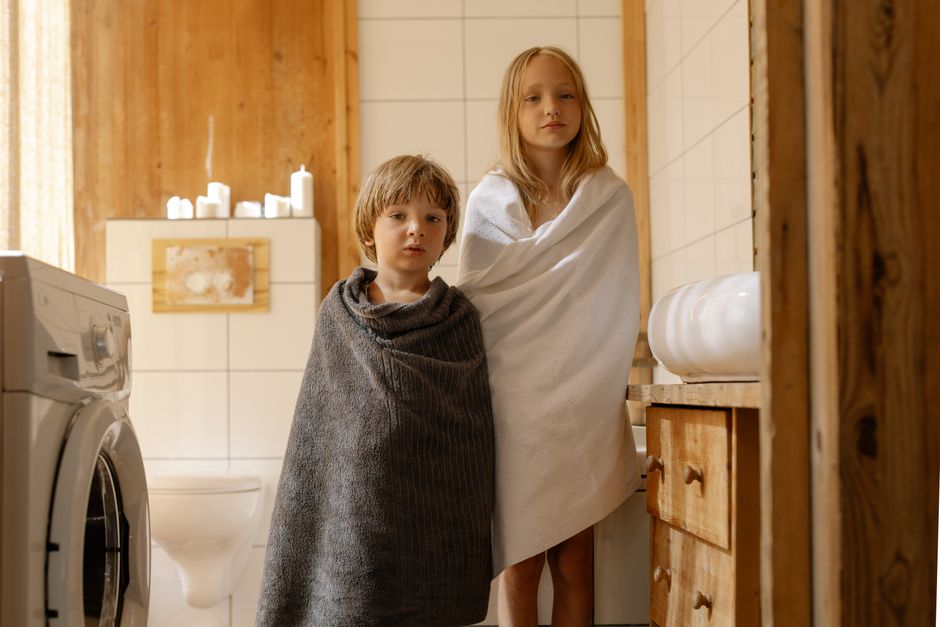
You hear the tap for three seconds. Then the bathroom light clicks off and a child appears with dry knuckles and a confident “Done.” You know the soap is still sitting in the dish. You also know that sending them back means you’ll both be late, and the next reminder will sound like a fight you did not budget for before school.
That’s the quiet loop of kid hygiene. It is not laziness and it is not a character flaw. It is a cluster of tiny steps that live in your head, not theirs: wet hands, soap, twenty seconds, rinse, towel, teeth, tongue, floss if you are lucky, hairbrush, deodorant if they are old enough. A hygiene tracker for kids is simply a way to put those steps where they can see them, tap them, and finish them without you counting seconds from the hallway.
Parents already carry enough. Children ages 8 to 10 average 6 hours of screen time a day, and ages 8 to 12 clock about 5 hours 33 minutes of entertainment screens, not counting schoolwork. Those hours squeeze the 10 to 20 minutes of attention a child actually has for a habit. Hygiene loses every time it is “just one more thing I have to nag.” This piece is about shrinking that nag, not about turning the bathroom into a project.
You will get a workable list, a way to pick rewards that are not virtual coins nobody cares about, and a first week that does not require you to stand in the doorway. Every child is different. Some will skip the towel forever. Some will over-check the box. The point is ownership, not a perfect score.
Why “I already washed” is not the same as washed
Kids are not trying to trick you as a hobby. Hygiene is invisible when it is done well. There is no trophy for soap under the nails. There is also no natural end point, the way a made bed looks made. Hands look similar wet or dry if you glance from the kitchen. Teeth look similar if you do not smell the breath. So the child reports the shortest version of the job, and you become the inspector.
That inspector role is exhausting. You are still the family’s living checklist. Parents say it plainly: they have downloaded and deleted a lot of habit apps, they have dusty wall lists, and they still do the job themselves because it is faster. Sticker charts fade after about two weeks. Virtual coins nobody cares about die even faster. The child completes a motion, feels no ownership, and you keep the mental load.
Age matters here. A 5-year-old can own “soap and rinse” if the steps are short. A 9-year-old can own floss, deodorant, and a hair check if you do not dump twelve items at once. Focus windows are narrow: about 10 to 12 minutes for ages 4 to 6, 12 to 15 for 7 to 9, 15 to 20 for 10 to 12. If your hygiene block is longer than that, they will skip the middle. Keep the block small. Split morning and evening. Do not ask a tired 7-year-old to do a 25-minute spa routine after a long day.
Rewards get a bad reputation because people use them as bribes for a single night. Used as a predictable path toward something the child actually wants - ice cream, a small toy they pick - they mark effort. The Harvard Grant Study linked early, consistent chores to later success and happiness. Hygiene is a chore with a body attached. Treat it like one: visible, repeated, owned.
Voir Sparky en action
Une mascotte, des étoiles et des récompenses choisies ensemble - dans une seule app familiale.
The tracker that lives on their screen, not on your fridge
Paper on the fridge becomes your second job by week three. You update it. You remember who skipped Sunday. You argue about whether “sort of brushed” counts. A tracker that works for this age group has to be boring in the best way: the same few tasks, every day, on a screen the child can open without logging into your email.
Keep the list tiny. Morning might be toilet, wash hands with soap, brush teeth, brush hair. Evening might be bath or shower, teeth, clothes in the hamper. That is enough. Recurring tasks beat a fresh negotiation every night. If you add photo proof for “hands washed,” use it sparingly. Some kids will stage a photo with dry soap. Some will feel watched. For most families, a simple check plus your glance at wet hair or minty breath is plenty.
Gentle streaks help if they stay light. A grace day for illness or a late night keeps the number from turning into quiet evaluation. Consecutive-day pressure is how a 6-year-old decides the whole system is mean. Routines matter more than unbroken chains. If your child marks things done without doing them, do not add a lecture. Shrink the list and stand in the bathroom for three days as a coach, then step back. The goal is that you are no longer the chore tracking app for the family.
Real rewards beat badges. Sit together and pick two or three things that are actually worth having. Ten stars toward a park ice cream. Fifteen toward choosing the Saturday cartoon. Update the prize when it gets stale. Kids lose interest when the prize is a coin they cannot spend. They stay when they can see the ice cream getting closer.
If you want that list on their own screen with stars they earn toward a jointly chosen reward, a light option like Sparky can hold the checks without turning you into the hallway timer. Use it or a paper card. The tool is not the point. The point is they open the list, not you.
How you set the list so a 5-year-old and a 10-year-old both finish
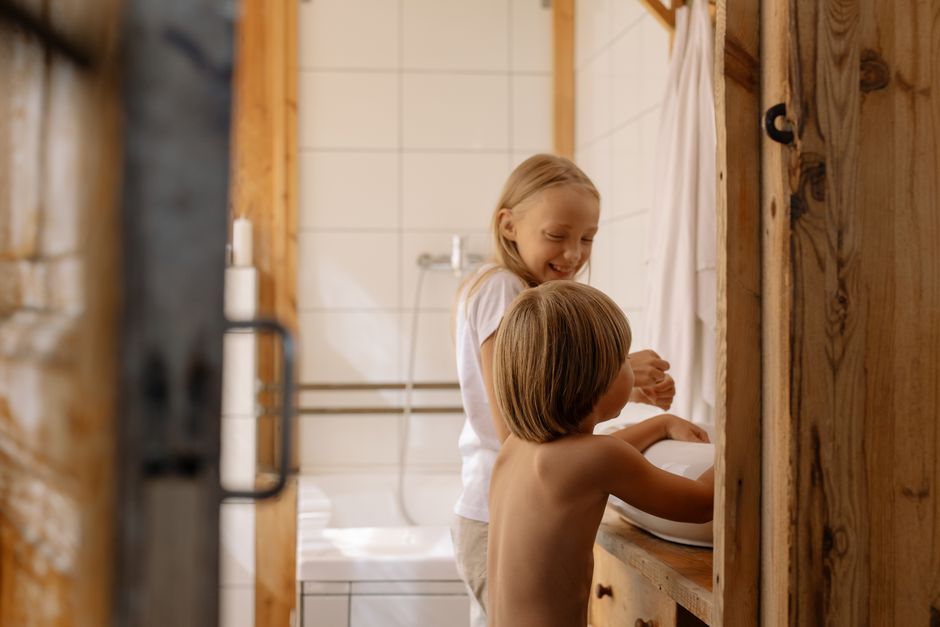
Do this on a calm evening, not at 7:12 when someone is already crying about toothpaste flavor. You talk. They choose the order of two items. You write the words they use: “soap the hands,” not “proper hand hygiene.” Age-appropriate tasks sound like their language.
For a 4 to 6 year old, cap it at three morning items and three evening items. Use a 2 minute or 5 minute feel, not a lecture. You can sit on the bath mat and narrate once: wet, soap, fronts, backs, rinse, towel. Then you leave. For 7 to 9, add floss or deodorant if their body needs it. For 10 to 12, they can own a full bathroom reset: sink wipe, towel hung, clothes in hamper. Do not sneak extra chores into the hygiene list. Making the bed is a different job. Mixing them makes the bathroom feel like a trap.
One mother of a six-year-old boy noticed the fight ended when “wash hands” became two checks: soap on, rinse off. The child was not refusing soap. The child was collapsing two steps into one tap of water. In a family with two children aged six and nine, the older one got a hair-and-deodorant block and the younger one did not. Same tracker idea, different length. That is not unfair. That is age.
Timers help if they are visual and short. A rigid 20 minute countdown feels punitive to a child who is already overwhelmed. A 10 to 12 minute focus window for the little ones matches how their attention actually works. If they freeze, you shorten, you do not scold. If they race and miss soap, you add one check, you do not add five.
Multi-parent homes fail when only one adult knows the rules. Agree on the same four tasks and the same prize. If one parent resets the streak as punishment, the child learns the tracker is a mood, not a routine. Consistency between adults matters more than cute icons.
What to do for seven days, then stop tinkering
Night one: write the list with them. Four tasks total across morning and evening if they are young. Six if they are older. Pick one real reward. Put the list where they can reach it without asking you for a password.
Days two to four: you stay nearby but you do not narrate every second. You answer “am I done?” with “check your list.” You do not add a new task because you remembered vitamins. Vitamins can wait a week. Novelty wearing off is normal. Do not “improve” the system while they are still learning the old one.
Days five to seven: you leave the doorway. If they skip, the star does not arrive. You do not shame. You also do not secretly finish the job and give the star anyway. That teaches them you are still the tracker. If they are sick, use a grace day and say so out loud so the streak does not become a verdict on their character.
Watch for two failure modes. First, they tap complete on the bus. Then you bring one task back to “show me wet hands” for a few days. Second, they lose interest because the prize is vague. Then you let them swap the prize, not the whole method. Parents worry that rewards ruin intrinsic motivation. For toothbrushing at 7 a.m., intrinsic motivation is a luxury. Predictable effort toward a chosen treat is how many families get through the years when mint paste still tastes like punishment.
It is easier to just do it yourself. That is true for tonight. It is expensive for the next eight years. You are teaching a body-care habit that nobody claps for. The tracker is only a mirror. They look at it. They do the small thing. You get your hallway back.
If the first week is messy, that is still a week they saw the steps outside your mouth. Tomorrow they might still skip the towel. You can live with a damp towel. You cannot live with being the only person in the house who remembers soap.
Hygiene will never feel glamorous. It will feel like wet sleeves and a child who swears the water counted. You do not need a perfect bathroom. You need a short list they can run, a prize they picked, and a parent who is allowed to walk away after the tap starts. That is enough for a Tuesday. That is enough for a kid who is learning that their body is theirs to take care of, even when nobody is watching from the doorway.
Téléchargez Sparky gratuitement
Accès anticipé, sans pub et sans achats intégrés - juste vous et votre enfant.