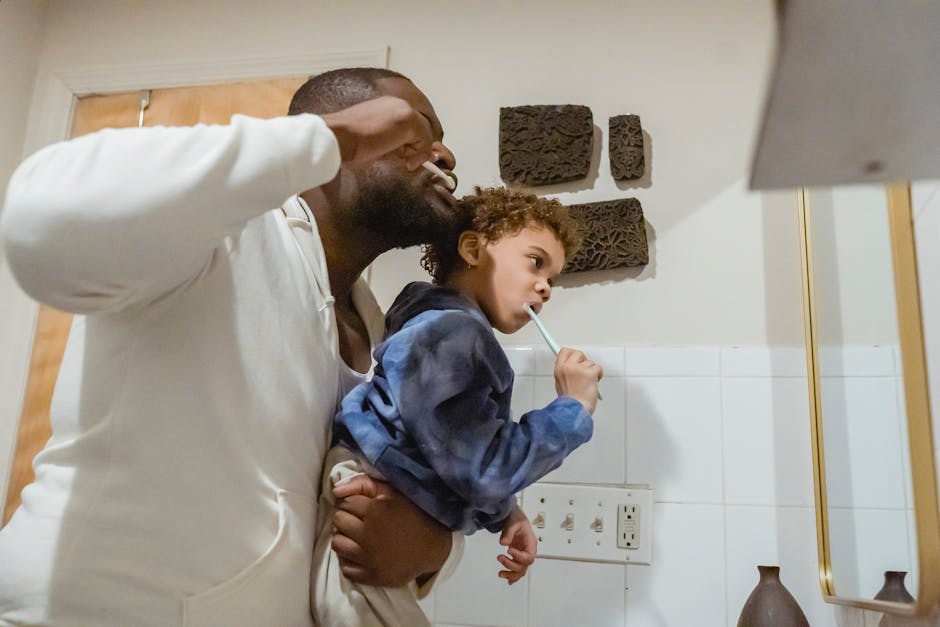
The bath towel is still folded on the hook at 8:03. You can smell chlorine from the afternoon swim, mixed with the faint sour of a day spent in the same socks. Your child is already on the couch, arguing that they “washed at the pool.” You know they didn’t. You also know the next ten minutes will be you standing in the hallway, repeating the same three sentences you said last night.
That is the job a kids hygiene tracker app is actually trying to do. Not decorate a bathroom. Not add another chart you have to police. It is trying to move soap, teeth, hair, and a clean change of clothes out of your mouth and onto a list the child can see and finish while you are still packing lunches. Common Sense Media’s 2023 report found that kids ages 8 to 12 average 5 hours 33 minutes of entertainment screen time a day. The habit window you are fighting for is tiny: roughly 10 to 12 minutes for ages 4 to 6, 12 to 15 for 7 to 9, and 15 to 20 for 10 to 12. Hygiene lives in those minutes, or it doesn’t happen.
Parents keep saying the same thing in different words. Randomly asking kids to wash does not stick. The list on the kitchen wall gets dusty. Sticker charts last about two weeks. It is easier, some nights, to just do it yourself. Then you are still the person holding the whole family checklist in your head. This piece is about shrinking that load without turning bath time into a performance review.
The real mess is not dirt. It is who owns the sequence
Hygiene looks simple from the doorway. Brush. Wash. Change. Sleep. From a child’s side of the door it is a pile of tiny decisions with no obvious finish line. Did they wash hands after the snack or only after dinner. Is hair “done” if it is in a ponytail. Does a 30-second splash count as a shower. You know the answers. They do not, and they do not want a lecture while they are tired.
One mother of a seven-year-old described it without drama. She could hear the water. She could not tell if soap had moved. She would call from the kitchen, get a cheerful “I’m doing it,” and later find the towel bone dry. Another family with two children, six and nine, had a different version. The older one did the jobs but needed three reminders to start. The younger one started fast and skipped the last step. Same bathroom. Two different gaps. Neither gap is laziness. It is executive function in a space that smells like mint and wet towels, at the end of a long day.
Robert Waldinger’s summaries of the Harvard Grant Study’s most-cited finding on chores put it plainly: kids who had chores from age 3–4 had better career outcomes and stronger relationships as adults. Daily hygiene is that kind of repeating, low-stakes chore. If you are the only tracker, the child never practices the sequence. If the sequence lives on their screen, in the same order, with a clear done moment, they get reps. That is the whole point. Not a perfect bathroom. Ownership of four or five small jobs they can finish without you narrating them.
Keep the list short on purpose. Three jobs beat twelve. A child who can own “teeth, face, pajamas” will later own “shower, deodorant, pack tomorrow’s clothes.” Age-appropriate tasks matter more than a pretty interface. A five-year-old needs picture-level steps and a two-minute timer. A ten-year-old can handle a slightly longer block, still under twenty minutes, and a reward they actually picked. Virtual coins nobody cares about will not save a dry toothbrush. Ice cream on Friday, or a small toy they named out loud, will.

See Sparky in action
A mascot, stars and jointly-chosen rewards - in one family app.
Put hygiene on their screen the same way you put it in their day
You do not need a second career as a product manager. You need a list that repeats, a child who can mark it, and a parent who is not standing in the doorway. Start with the hour that already fails. For most families that is evening. Morning hygiene is often a scramble against the clock. Evening has more slack, and the same jobs show up again at 7 a.m. if you skip them.
Write the jobs in the child’s language. “Wash body with soap” beats “hygiene.” “Put dirty clothes in the basket” beats “laundry awareness.” Pair each job with a time of day so it is not a floating chore you randomly assign. Recurring tasks matter. If you have to rebuild the list every Sunday, you will quit. Autorepeating evening items are how chores become more like a routine instead of a nightly invention.
Timers should match attention, not adult productivity culture. Ten minutes is plenty for a young child to wash face, brush, and hang the towel. Fifteen is plenty for a shower that actually uses soap. If the timer feels punitive, shorten the job, do not lengthen the lecture. A visual countdown helps kids who stall when the bathroom feels endless. It is not a punishment clock. It is a finish line they can see.
Rewards work when they are consistent, predictable, and tied to effort. Stars toward something the child chose beat a complicated badge tree. Parents who have downloaded and deleted a lot of habit apps say the same objection: novelty wears off, notifications arrive when nobody is home, and kids mark things done without doing them. Answer that in the setup, not in a pep talk. Keep the list visible on a shared tablet in the hallway if phones are not allowed in the bathroom. Check the towel, the sink, the toothbrush once, calmly, the first week. After that, spot-check. You are teaching honesty, not installing a camera.
Gentle streaks help if they stay light. Grace days matter. Illness, a late swim meet, a night at grandparents’ house should not wipe a week. Consecutive-day pressure turns a tracker into quiet evaluation. Routines with a little slack keep the tone human. Multi-parent consistency matters more than any star. If one adult ignores the list and the other nags, the child learns the list is optional. Agree on the three jobs. Agree that you both look at the same screen. Then stop being the family’s living checklist.
Some families like photo proof. It works best for 6–9-year-olds who deny completing tasks: a parent approves a photo of a wet toothbrush from the kitchen — takes 10 seconds — and the “I already did it” loop ends without a kitchen negotiation. For a four-year-old, pictures on the task itself are enough. For a nine-year-old who “really struggles with routine,” a short list plus a real reward they care about is usually the turning point, not another layer of gamification.
A week of hygiene you can actually run without a project plan
Night one, sit together for twelve minutes, not an hour. Pick three evening jobs only. Teeth. Wash face or shower, depending on age. Pajamas in the hamper, clean ones on. Let them choose the Friday treat if the week is mostly done. Write nothing extra. If you add floss, nails, and room tidy on day one, you have built a chart that will last two weeks and then go quiet.
Night two through four, you stay nearby but you do not narrate. If they stall, point at the list once. One sentence. Then leave. This feels rude if you are used to coaching every stroke of the toothbrush. It is the only way they practice starting without your voice. If they mark done and the soap is unused, do not explode. Reset the task. “Show me soap on your hands, then you can tap it.” Same calm tone you would use for a missed shoe, not a moral failure.
Night five, look at what actually happened. Did mornings still collapse. Then add one morning item only, like brushing, and keep evenings as the main block. Did they fly through evenings. Then add hair or deodorant for an older child. Did interest dip. Change the reward, not the entire system. Kids ignore tools that stay frozen. A small update - a new emoji, a new Friday goal - is cheaper than a new app.
Weekend is where paper charts die. Sleepovers, sports, late dinners. Keep the same three jobs and allow a grace day. You are building a habit that survives a birthday party, not a perfect calendar. If screen time is the reward, cap it and earn it. Parents worry, reasonably, about using more screens to fix screens. Earned minutes after jobs are done is different from handing over a tablet to buy quiet while teeth stay unbrushed. Completely free, ad-free tools help here because you are not paying monthly to feel guilty. Sparky lets the child tap their own task done, shows a running star count the parent can see from another room, and resets the list automatically each night — jointly chosen rewards included — so you get out of the doorway without turning bath time into your second shift.
By night seven you should know two things. Which job they forget when they are tired. Which reward they still talk about at breakfast. Keep those. Drop the rest. You will still have nights when it is easier to just do it yourself. Do it yourself when they are sick. Do not do it yourself because you are impatient. That is how you stay the program manager forever.
What to try tonight, not after you research five more apps
Open a note or the tracker you already have. Write three hygiene jobs in words a child would say out loud. Attach them to evening. Set a timer that fits their age, not yours. Agree on one real reward for the week. Tell the other adult in the house the same three jobs so you are not running two different systems. Then go to the hallway, not into the bathroom, and let them work the list.
You will still smell chlorine some nights. You will still find a dry towel. The win is smaller and better than a perfect child. It is the evening you realize you did not give the third reminder. They checked the screen, did the sequence, and came out in clean pajamas because the jobs were theirs. That is a kids hygiene tracker app doing its only honest job: fewer fights, a little more independence, and you no longer carrying every wet toothbrush in your head.
Download Sparky free
Early access, no ads and no in-app purchases - just you and your child.