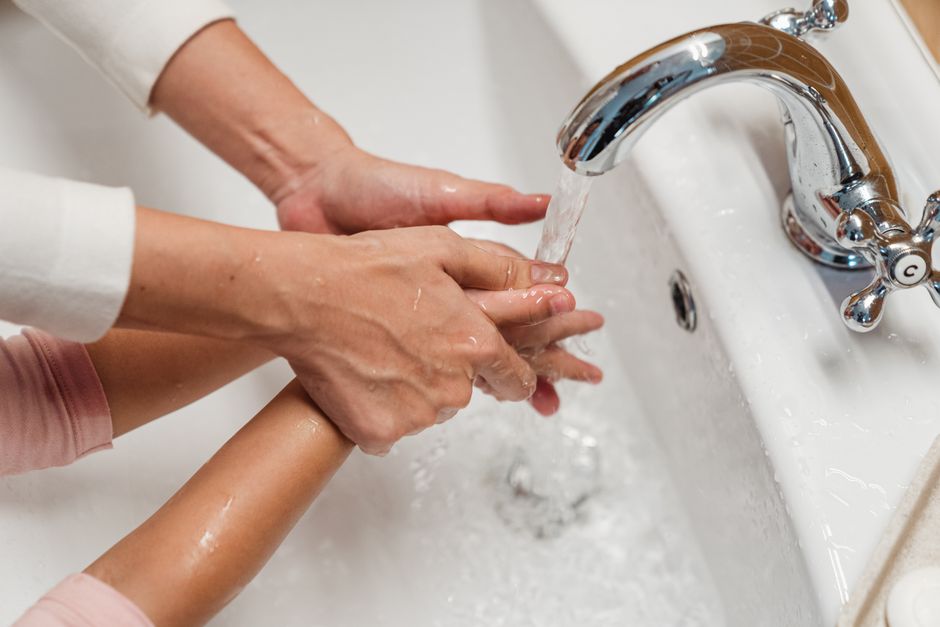
The soccer cleats are still by the door and you can smell the field on them from the hallway. Your eight-year-old is already half into a cartoon, hands still dusty, hair stuck to their forehead. You say “wash up” once. Then again. By the third time you are standing in the doorway with a towel, and they are negotiating for “after this episode,” as if soap were optional. It is not dramatic. It is just Tuesday. And you are tired of being the family’s walking hygiene alarm.
A kids hygiene habit tracker is simply a clear, visible list of the small body-care jobs that have to happen every day - brushing, washing, bathing, clean clothes - set up so your child can see them, check them, and feel done without you narrating every step. It is not another lecture about germs. It is a way to move those tasks out of your head and onto something they can run themselves in the short windows kids actually have. Ages 4–6 often hold focus for about 10–12 minutes; 7–9 for 12–15; 10–12 for 15–20. Hygiene fits inside those windows when it is broken into plain jobs, not one vague “go get clean.”
Parents who have tried wall charts know the pattern: big first week, fading second week, dusty list by week three. The problem is rarely that kids hate being clean. It is that the system still depends on you to remember, remind, and inspect. This piece walks through how to build a hygiene tracker that kids can open and own, what belongs on it by age, how to keep rewards real without turning every brush into a bribe, and what to do when the whole thing stalls on a rough week.
Why “go wash up” never becomes a habit on its own
Hygiene lives in the cracks of the day. After the park. Before dinner. Before bed when everyone is already spent. Unlike a single chore like “feed the cat,” body care is a cluster of tiny steps that feel obvious to you and invisible to a tired child. You see the whole sequence - soap, water, twenty seconds, dry hands, hang the towel. They hear one blurry instruction and bounce to the next interesting thing.
Screen time makes the crack smaller. Common Sense Media's 2021 report found children 8–12 average about five and a half hours of entertainment screen time daily outside schoolwork. That does not make you a bad parent. It does mean the quiet minutes you hoped would hold teeth and face washing are already claimed. If hygiene only lives as a verbal request from you, it loses every time to whatever is already on.
There is also the ownership gap. When you are the one who tracks whether the toothbrush is wet, the child learns that clean is something adults enforce, not something they complete. Parents on forums say the same line in different words: they are still the program manager, even with charts and apps. “It is easier to just do it myself” is true for one night. Over months it leaves you carrying nearly all the mental load, and your child never practices the small sequence that becomes automatic.
A University of Minnesota study tracking individuals from age 3–4 found that early chore participation was the strongest predictor of later success. Hygiene is not a chore chart in the classic sense, but it trains the same muscle: I notice what my body needs, I do the steps, I finish without a parent standing over me. That only sticks when the tracker is simple enough for their age, short enough for their attention, and tied to progress they can see - not to another round of “because I said so.”

See Sparky in action
A mascot, stars and jointly-chosen rewards - in one family app.
What goes on a kids hygiene habit tracker (by age)
Start smaller than you think. A hygiene tracker fails when it tries to be a full spa menu. Pick the jobs that actually cause friction in your house, write them in kid language, and leave the rest for later.
For a four- to six-year-old, three to five items is plenty. Think: wash hands after outside play, brush teeth morning, brush teeth night, put dirty clothes in the basket, wipe face after dinner. Each one should be doable in a few minutes with tools already within reach - step stool, pump soap they can press, toothbrush at their height. If they need you for every cap and faucet, it is still your job wearing a cute label. Pre-readers need icon or picture-based trackers rather than text lists. Plan on a parent-assisted check-together round for the first week so they learn what done looks like. Velcro boards or flip cards usually beat digital here — tactile completion feels real to kids this age.
For seven- to nine-year-olds, you can add floss if your dentist cares about it, hair brush, deodorant if they are ready, shower or bath on set days, and “clean shirt for school” as its own line. Keep the wording concrete. “Get ready for bed” is a fog. “Pajamas on, teeth brushed, face washed” is a path.
For ten- to twelve-year-olds, fold in the social pieces they already notice: deodorant daily, clean hair on a schedule they help choose, nails, and packing a spare mask of basics for sports or sleepovers. At this age they often resist anything that feels babyish, so let them name the list and choose the order. Ownership beats perfection.
Leave off anything you will still do for them anyway, and leave off moral language. “Be a clean kid” teaches nothing. “Soap on hands, count to twenty, dry” teaches a sequence. Match the total list to those short focus windows. If the full run takes longer than fifteen or twenty minutes for a school-age child, you have packed too much into one block. Split morning and evening so each session feels finishable.
One more trap: mixing hygiene with a dozen unrelated chores on the same board. Beds and backpacks matter, but when the board is crowded, teeth lose to whatever has the loudest parent behind it. A dedicated hygiene strip - paper, whiteboard, or a simple digital list - keeps body care from competing with every other household ask.
Hand the tracker to them so you stop being the inspector
The shift that matters is not prettier stars. It is who opens the list. If the tracker lives only on your phone or only on a fridge they walk past without seeing, you are still the memory. Put the list where the job happens: bathroom mirror height for a younger child, their own device or a shared tablet parked in a fixed spot for an older one. The rule is simple - they check the item when they finish, not when you approve from another room with a shout.
Walk through the sequence once on a calm afternoon, not at 7:40 a.m. Show where the soap lives. Agree what “done” looks like for teeth (timer on the brush, two minutes, no dry toothbrush left in the cup). Then step back on purpose. The first week will be imperfect. That is data, not failure. If they mark wash hands and you can still see dirt, fix the definition of done once, calmly, and move on. Turning every check into a courtroom hearing teaches them to avoid the tracker.
Photo proof helps some families without a speech. Child takes a quick picture of the tidy sink or the toothbrush back in its place; you glance from your phone later. Use it sparingly for the jobs that used to start arguments, not for every rinse. The point is fewer live negotiations in the doorway, not a surveillance hobby.
Rewards work when they are real, predictable, and chosen with the child. Virtual coins nobody cares about die fast; ice cream, a small toy, a later bedtime on Friday, or choosing the weekend breakfast actually move the needle. Young children's reward systems respond to soon and certain over large and distant — a Friday movie choice lands harder than a month-long points bank. Stars or checks toward a joint goal beat a vague “good job.” Keep the exchange consistent - five solid evening routines earn the thing you already agreed on - so the tracker feels like progress, not a random mood meter.
Gentle streaks help if you treat ordinary life as ordinary. Illness, a late game, a sleepover - build in a grace day so one miss does not torch the whole week. Heavy “never break the chain” pressure turns hygiene into performance stress. Light continuity - we usually do this, and we restart without drama - matches how real families live.
When the first two weeks fade (and how to restart without a reset speech)
Sticker charts and basic apps often lose spirit after about two weeks. Novelty wears off. Notifications get ignored when everyone is out of the house. Kids mark things done without doing them. None of that means your child is lazy. It means the system needs a small refresh before you scrap it.
First, cut the list. If you started with eight hygiene lines, drop to the two that still cause the most friction. Win those. Add a third only when the first two are boringly automatic. Second, change the reward before you change the child. If the prize no longer matters, ask them what would feel worth five solid days - then keep it modest and soon, not a huge goal three months out. Third, check the timing. A bath tracker at 9 p.m. after homework meltdowns will lose to exhaustion. Move the block earlier while there is still a little fuel left.
Multi-parent homes need one shared definition of done. If one adult re-does the face wash and the other shrugs, the child learns to shop for the softer inspector. Agree on the short list and the reward rules once, then back each other up with the same calm line: “Check your list - I am not the reminder today.”
Watch for pressure dressed up as motivation. If streaks make your child anxious, or if they melt down over a single miss, switch to weekly tallies or simple “most days this week” language. Responsibility grows in a steady climate, not under a daily scoreboard that feels like judgment. And if a tool is full of ads, locked features, or setup that only you understand, it will slide back onto your plate. Boring and clear beats flashy and abandoned.
A restart can be one conversation on a Sunday afternoon: “These two jobs were messy last week. Let’s pick fresh stars and a reward you care about, and try five days.” No lecture on character. No threat to take the whole system away. Just a smaller board and a clean start.
Start your kids hygiene tracker tonight.
You do not need a laminated color-coded bathroom curriculum. You need fewer doorway arguments and a child who knows what “clean enough for bed” includes without a live coach. Pick three hygiene jobs that actually matter in your house. Write them in words your child can read or recognize. Place the list where the sink is. Agree on one real reward and how many checks unlock it. Practice the sequence once when nobody is late. Then let them open the tracker tomorrow while you stay slightly farther down the hall than feels natural.
Some evenings will still need you. That is parenting, not proof the idea failed. The win is quieter: hands washed after the field without a third reminder, toothbrush wet before the story, you spending less of your scarce patience on soap logistics. Build the kids hygiene habit tracker small enough to finish, real enough to care about, and theirs enough to open. The rest compounds in ordinary weeks, one ordinary rinse at a time. If a dedicated app helps, Sparky is built for this — short lists, real rewards, child-controlled.
Download Sparky free
Early access, no ads and no in-app purchases - just you and your child.