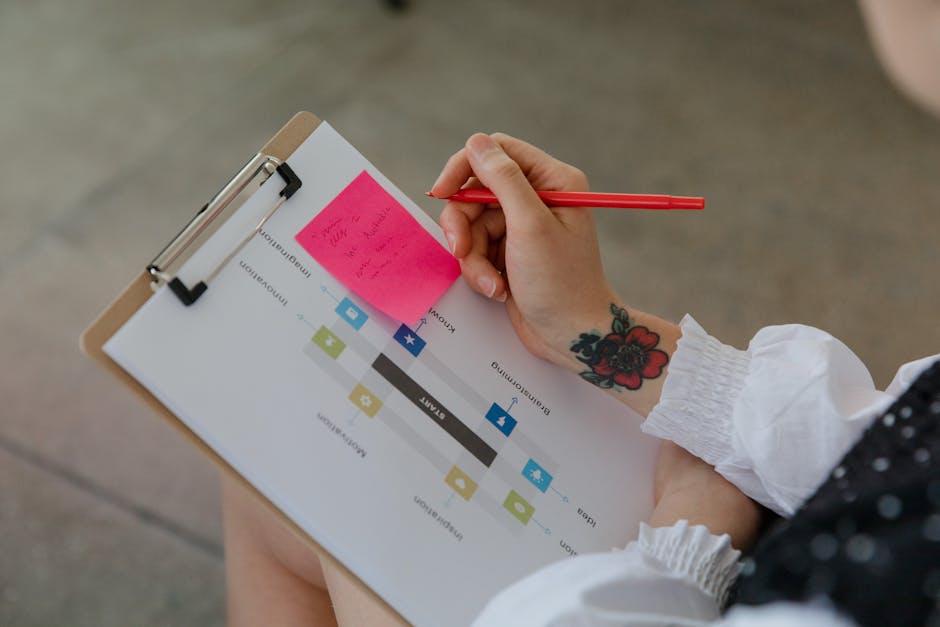
Sunday night, markers still open on the table. You draw neat columns for two kids, ages six and nine, color-code the boxes, tape the whole thing to the fridge. By Tuesday the backpacks hit the floor after school and nobody glances at the board. One child asks what they should do. The other argues it is not their turn. You point, you narrate, you settle the fairness fight, and you feel the quiet thud of it: the chart was supposed to lighten your load, and instead it became another thing you run.
That is the trap with a family task chart app or any shared board that looks fair on paper. Shared visibility is not the same as kid ownership. The grid can hang in plain sight and still run on one adult’s memory, voice, and updates. You become the human interface. Kids walk past decoration and treat you as the real source of truth. If you have ever made a beautiful chart and still spent Wednesday as dispatcher, this is for you - not a prettier template, but a clearer line between what the family can see together and what each child must hold alone.
Parents say the same thing in a dozen different ways: sticker charts last about two weeks; they still feel like the chore tracking app for the family; the list on the kitchen wall goes dusty. The pain is not laziness. It is the hidden work under a “simple” family chart - choosing age-fit tasks, translating boxes into spoken reminders, defining done, rebooting the board when enthusiasm fades. Below is what actually breaks, what ownership looks like in a small apartment on a real afternoon, and a short checklist you can run this week without turning dinner into court.
When the fridge chart still needs you as the announcer
Picture the after-school dump. Shoes half off, lunch boxes open, someone already halfway to a screen. The family chart is right there. In theory it should speak for itself. In practice a six-year-old still turns to you for the next instruction, and a nine-year-old still wants a referee for “I already did that.” You open the board with your voice. You interpret vague lines like “clean your room.” You mark the box because nobody else will. The chart did not fail because the colors were wrong. It failed because the operating system stayed in your head.
Call it the parent-as-API problem. Kids learn that asking Mom is faster than reading a grid, and safer than guessing what “done” means. Every time you answer “what do I need to do?” you reinforce that the living chart is you. Paper does not travel to school bags or a weekend at grandparents. A digital board only you open is the same problem with a different surface. Shared family visibility can help fairness and big household jobs. It does not hand a child a short daily loop they can see, do, and mark without a middleman.
Age makes this sharper. A four-to-six-year-old has a focus window of roughly ten to twelve minutes. Seven-to-nine sits closer to twelve to fifteen. Ten-to-twelve can stretch toward fifteen to twenty if the task is clear. A giant family grid ignores those windows. It piles sibling comparison on top of vague chores and unmarked boxes nobody owns. By week two the novelty is gone, the board is out of date, and you feel guilty for “not sticking with it.” The guilt is misplaced. You built theater. The kids never got a script they could run alone.
One mother of a five-year-old and an eight-year-old put it plainly: “We had names, checkboxes, even stars. I was still the one saying the list out loud every night.” Another parent of a ten-year-old said the tell was constant: fewer fights only started after each child marked their own short list, not after a prettier shared sheet. The feeling you want is not a perfect wall display. It is fewer pings of “what should I do?” because the child already knows.

See Sparky in action
A mascot, stars and jointly-chosen rewards - in one family app.
Shared board theater versus a list each child can run
A family board is useful for things that truly belong to the household - whose night it is to set the table, a weekend project, a rule everyone agreed on. It is a poor home for a child’s private daily load: make the bed, empty the lunch box, hang the towel, pack tomorrow’s shoes. Those need individual ownership. When you mash everything into one mega chart, ghost tasks appear. Nobody knows who should mark the box. Fairness fights bloom. You end up policing instead of parenting.
Ownership has a clear signal. Who gets to mark done first? If the answer is always you, the child learns the mark is performance for an audience, not a claim on their own work. If the child marks first - and you only step in for safety or a calm end-of-day glance - the loop becomes see, do, mark. That loop is small on purpose. Remind less, define done more. “Clean your room” fails because a kid cannot judge it alone. “Toys in the bin, clothes in the hamper, floor clear enough to walk” is something a seven-year-old can check without a court hearing.
Hard edges matter. Tasks must fit the age and the house. In a small apartment with two children, you cannot pretend a nine-year-old and a five-year-old share the same chore size. Split the old family grid into two short lists. Three to five recurring tasks each is enough. Keep the done criteria written in kid language. Decide up front what happens when someone skips - not a speech at dinner, a simple redo or a missed star toward a reward you chose together. Rewards work best when they are consistent, predictable, and tied to effort, not to a perfect unbroken week. Parents already know virtual coins go cold. Real, jointly chosen rewards - ice cream, a small toy, a choice of weekend activity - keep the system human.
Screen time sits in the same room as this problem. Children ages eight to ten already average about six hours of screen time a day; ages eight to twelve often land near five and a half hours of entertainment screen time. Habit windows are tiny next to that. The Harvard Grant Study’s long view still holds in spirit for many families: early, consistent chore participation tracks with later responsibility and wellbeing. You are not trying to win a productivity contest. You are protecting fifteen honest minutes so the child carries a small load without you as the daily announcer.
Paper charts die when life moves. Digital tools die when only the parent logs in. The middle path is a kid-facing list in a place the child actually looks - their own spot or screen - with tasks short enough to finish in one sitting. A family task chart app only helps if it stops living solely in the parent’s head and starts living in the child’s hands. That is the gap between a casual Sunday craft and a system that lasts past Wednesday.
Signs your chart is still parent-run
You do not need a quiz. A few tells show up fast. The board is current only when you update it. Kids ask you the same questions the chart already answers. Sibling debates eat the first ten minutes after school. Boxes stay blank until you hover. You feel relief when you just do the task yourself “because it is faster.” That last one is honest. It is also how the mental load sticks at nearly full.
Listen for language. “I already did that” without a shared definition of done. “It’s not my turn” when turns were never written. “What do I do now?” while standing in front of the fridge. Those lines mean the chart is scenery. Another tell: multi-adult homes where one parent still holds the whole score. If the other adult cannot see the same kid-owned list, consistency collapses and you become streak keeper by default.
None of this means you failed at craft supplies. It means the design asked a wall to do a job only a child’s own loop can do. When novelty wears off - and parents report it often does around the two-week mark - systems that still need your narration rot first. Systems that let a child complete and mark without a referee have a better chance, especially if rewards stay calm and streaks stay gentle rather than turning into quiet pressure.
- You are still the first person who notices a blank box and the first person who fills the silence with a reminder.
- Tasks are written for an adult eye (“tidy,” “help,” “be responsible”) instead of a child-checkable finish line.
- Fairness lives in your negotiation voice, not in separate short lists with clear ownership.
- The board never leaves the kitchen, so weekends and bags and other rooms fall outside the system.
- You reboot the whole chart every few days because outdated boxes taught everyone to ignore it.
If two or three of those feel familiar, stop shopping for a prettier layout. Change who holds the list and who marks complete.
A three-evening ownership test you can run without a full reboot
Keep this small. You are not redesigning family culture in one night. You are testing whether less reminding and clearer done criteria reduce the dispatcher role.
- Pick three to five recurring tasks per child, not one giant family grid. Match size to age: a five-year-old might own put pajamas on the pillow and put the plate by the sink; a nine-year-old might own pack the backpack and wipe their desk spot.
- Write done criteria each child can check without asking. Use plain words and a finish line they can see, not adjectives you still have to interpret.
- Decide that the child marks complete first. You glance once later. Save interruptions for safety, not for hovering mid-task.
- Put each list where that child actually looks - their own screen or spot - not only on the shared kitchen wall. The family board can stay for true household turns if you want it.
- Run three days with zero mid-task reminders unless something is unsafe. Expect awkward silence the first evening. That silence is the point.
- Review once, calmly, what stuck and what was too vague. Adjust the wording of done, not the volume of your voice. Drop or shrink anything that needed a referee every time.
During those three days, protect a short focus window instead of stacking five chores into a fog. Ten to twenty minutes, depending on age, is enough for one honest block. If a child marks something undone in reality, handle it the same way you would a skipped homework step: quiet redo, not a character speech. If they mark fairly and finish, let the mark stand. Trust is part of ownership.
Some families keep a tiny shared board for dinner jobs and move the personal dailies onto kid-held lists. That split alone cuts half the fairness noise. Others notice that once the child can see tomorrow’s three tasks the night before, morning rush softens because the list is not a surprise you invent at the door. Your house will differ. The principle does not: the system should work when you are tired, not only when you are in project mode on Sunday night.
If you want the personal list on the child’s side with stars and rewards you choose together, a kid-facing option like Sparky can hold those tasks so you are not the living chart. Use it as a place for their loop, not as another dashboard only you manage. The prize is not a perfect streak. The prize is fewer reminders and a child who knows what “done” means without waiting for your finger on a box.
You do not need a universal answer. Four-year-olds and twelve-year-olds are not the same worker. Some weeks will slip. Illness, late nights, and ordinary mess are normal, not moral failures. What you can change this week is structural: stop asking one shared board to carry individual ownership. Split the grid. Define done. Let them mark. Stand back for three evenings and watch who still needs an announcer. When the chart finally stops living only in your head, the fridge can go back to being a fridge - and you can stop being the family task chart that never got to clock out.
Download Sparky free
Early access, no ads and no in-app purchases - just you and your child.