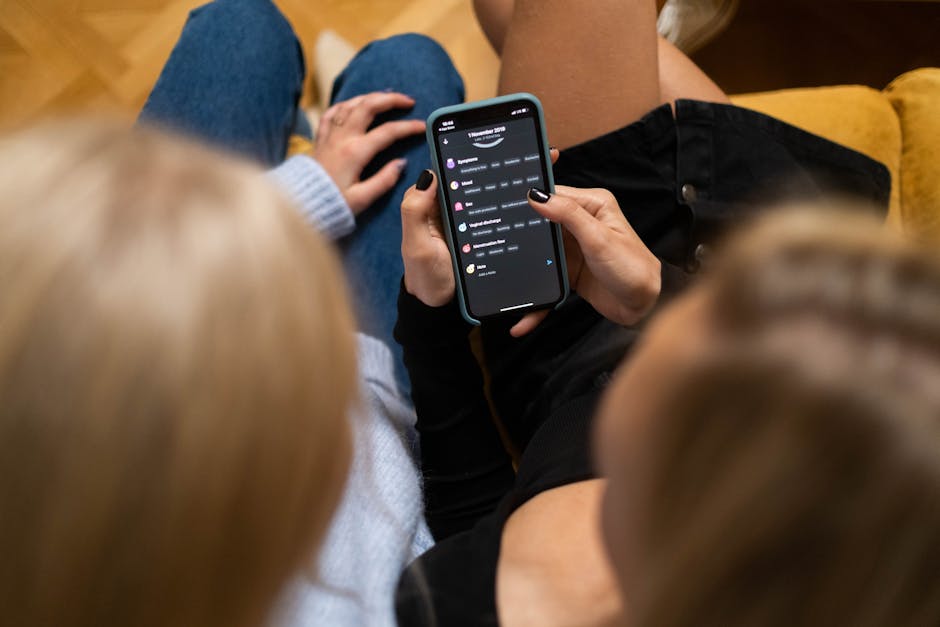
Halfway through packing lunch, you realize the water bottle still isn’t filled, the backpack is unzipped, and the only person who knows both of those facts is you. Your child is already thinking about the show they want after school. You’re doing the quiet inventory again - teeth, shoes, homework folder - while the clock keeps moving. That is the real job description nobody wrote down: you are the living system that remembers every small habit in the house.
Parents who type family habit tracker app into a search bar are rarely hunting for another cute interface. They’re hunting for a way to stop carrying the whole routine in their head. Kids ages 8–10 already average about six hours of screen time a day; ages 8–12 sit near five and a half hours of entertainment screen time before you even count schoolwork. Those hours compete hard with the short windows where habits actually form. Attention stretches are tiny - roughly 10–12 minutes for ages 4–6, 12–15 for 7–9, 15–20 for 10–12. A tool only earns its place if it protects those minutes without turning you into the program manager who still has to nag, approve, and restart everything on Monday.
This piece walks through the problem in plain language, what actually works at home when paper charts die by day ten, concrete setup steps sized to real kids, and a short next-step plan you can run this week without redesigning your whole house.
When you are still the only habit system in the house
The cycle is almost boring in how predictable it is. You invent a plan. Markers come out. Someone draws stars. For a few days the kids lean in. Then life hits - late soccer, a sick day, a morning that starts wrong - and the system only lives if you keep breathing into it. Parents say the same thing across forums: they’ve downloaded and deleted a lot of habit apps; virtual coins nobody cares about; sticker charts that lose appeal after about two weeks; notifications easy to ignore when you’re already out the door. One line shows up again and again: “I am still the program manager… even with apps.”
That load is not laziness. It’s design. If the child never sees the list as theirs, every incomplete task routes back through you. You become the reminder, the scorekeeper, the person who decides whether the bed “counts.” Multi-adult homes make it worse. One parent tracks meticulously; the other forgets the grid exists. The kid learns which adult to wait out. Harvard’s long Grant Study is often cited for a blunt truth parents feel in their bones: early, consistent chore participation links to later professional success and adult happiness. The gap is not motivation speeches. The gap is a daily structure small enough for a child to run without you standing in the doorway.
Screen time sits in the middle of that gap. Nearly half of parents admit they lean on screens daily just to manage the parenting load, yet the same screens crowd out the fifteen quiet minutes when a bed could get made or a backpack could get packed. By age ten, about 42% of US kids have a smartphone; by twelve it’s closer to 71%. A family habit tracker app that only adds more glowing badges without moving ownership onto the child’s screen will lose to the stronger pull of entertainment every single time.

See Sparky in action
A mascot, stars and jointly-chosen rewards - in one family app.
What “works” has to mean for ages four to twelve
Strip the marketing language and the bar is simple. A useful system lets a child see today’s tasks on their own device or shared tablet, mark a win themselves, and move toward a reward they actually chose - ice cream, a small toy, a later bedtime on Friday - not a pile of fake coins. Rewards stick when they are consistent, predictable, and tied to effort, not to a perfect unbroken month. Parents who finally calm the tooth-brushing fight often say the shift came when stars pointed at something real, not when the app got louder.
Age-appropriate tasks matter more than long menus. A five-year-old can own “put pajamas in the basket” and “bring plate to the counter.” A nine-year-old can own “pack bag the night before” and “start homework timer.” If setup feels like configuring enterprise software before school, you will abandon it by Thursday. Shared-device mode without a maze of logins helps families who do not want another account battle. Photo proof, when it exists, lets a child finish and a parent approve from the phone without turning the kitchen into a negotiation zone - but only if the flow stays light.
Streaks need the same honesty. Consecutive-day pressure can slide from light motivation into quiet evaluation. Gentle streaks with grace days treat ordinary setbacks - illness, travel, a brutal late night - as normal life, not moral failure. Routines that count completed days in a week often feel kinder than a fragile chain that breaks the first time soccer runs long. Kids may mark things done without doing them; the fix is not more surveillance theater. It is short lists, visible standards you already agreed on, and occasional spot-checks without turning every evening into an audit.
Objections deserve direct answers. “It is easier to just do it myself” is true for one morning and expensive for five years of independence. “Why pay monthly when paper is free” is fair - paper is free until it gathers dust on the wall and you are still the tracker. “Rewards ruin intrinsic motivation” misunderstands how young kids learn: external structure often scaffolds the habit until the routine feels ordinary. “My child is too young” usually means the tasks were sized for an adult’s idea of responsibility, not for a ten-minute focus window. “Will they ignore this like the last app” is the right fear; novelty fades fast when the child never chose the reward and never owned the list.
A practical setup that survives week two
Start smaller than you want. Pick three to five recurring tasks for one child, not a household constitution. Morning and evening clusters work better than random asks shouted from another room. Write the tasks in the child’s words when you can: “shoes by the door,” not “prepare footwear for departure.” Match the day’s work to attention span. If you use a timer, keep it short - a visual countdown of ten or twelve minutes for a younger child beats an adult-style pomodoro that feels like detention.
Choose the reward together before the first star appears. Ask what is actually worth having this month. Keep the ladder short enough to climb in days, not seasons. When the prize is vague or impossibly far, the grid goes blank. When the prize is concrete and near, kids start checking the list without your voice in the hallway. Update the reward when interest dips; that refresh is not failure, it is maintenance, the same way you rotate library books.
Put the list where the child already looks. Their own screen beats a dusty kitchen wall they walk past without seeing. You still set the tasks. They open the list, do the thing, mark the win. Your job shrinks from constant prompting to occasional review. If two adults parent in the same house, agree on the same three tasks and the same definition of “done” once, out loud, so the child is not negotiating two different bosses.
Run a five-day try without redesigning bedtime, allowance, and weekend chores in one sweep. Day one: build the tiny list and pick the reward. Day two and three: you may still prompt once, then point at their list instead of repeating the full speech. Day four: notice what they skip and shrink or clarify that item. Day five: cash in a small win on purpose, even if the week was imperfect, so the loop feels real. If something needs photo proof, use it on the one task that used to spark arguments, not on every item.
Watch for the usual break points. Multi-child load snaps when two names share one crowded grid and every star becomes a comparison. Give each child a personal lane. Apps that bury you in badges and character levels still fail if every completion requires your approval in the moment; you remain the bottleneck. Free tools with ads train kids to tap past noise. Paid subscriptions create guilt when the novelty dips. Families hunting a Sparky-style approach often want the boring virtues: ad-free, no subscription pressure for now, stars and jointly chosen rewards, child-facing tasks, gentle progress - enough structure to reduce reminders without turning home into a performance review.
Your next step this week, nothing fancy
Tonight, after the rush, sit with one child for ten minutes. Name three tasks they can finish without your hands on the work. Agree on one real reward and how many stars it takes. Tomorrow morning, put the list in their hands - app, tablet, or a simple child-owned checklist if you are still testing the idea - and say the line that transfers the job: “This is yours to check. I’ll look later.” When you feel the urge to narrate every step, point once and walk away. Protect one fifteen-minute pocket from extra screen so the habit has somewhere to live.
You will still have messy days. Everyone does. The point of a family habit tracker app is not a perfect grid. It is the slow shift from you as the household’s memory to a child who knows what comes next and can show you the win without a third reminder. That is how chores start to feel like routine instead of a random ask, and how you get a little of your mind back between the toast and the wet jackets.
Download Sparky free
Early access, no ads and no in-app purchases - just you and your child.